 For too long, restoring degraded land has been seen as a noble cause; but not a profitable one. Native PEP is proving otherwise.
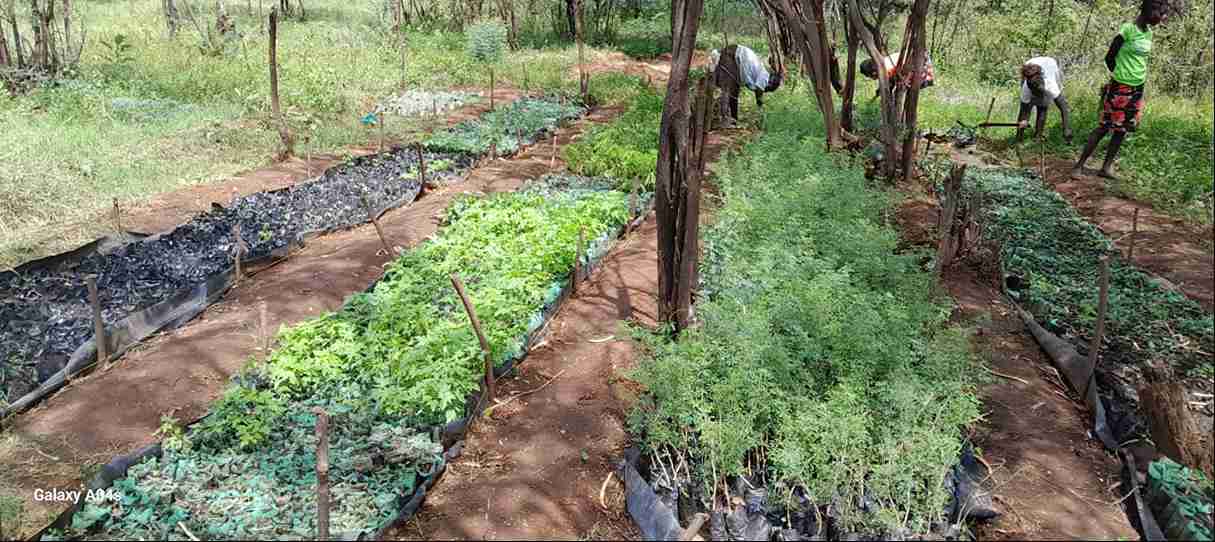
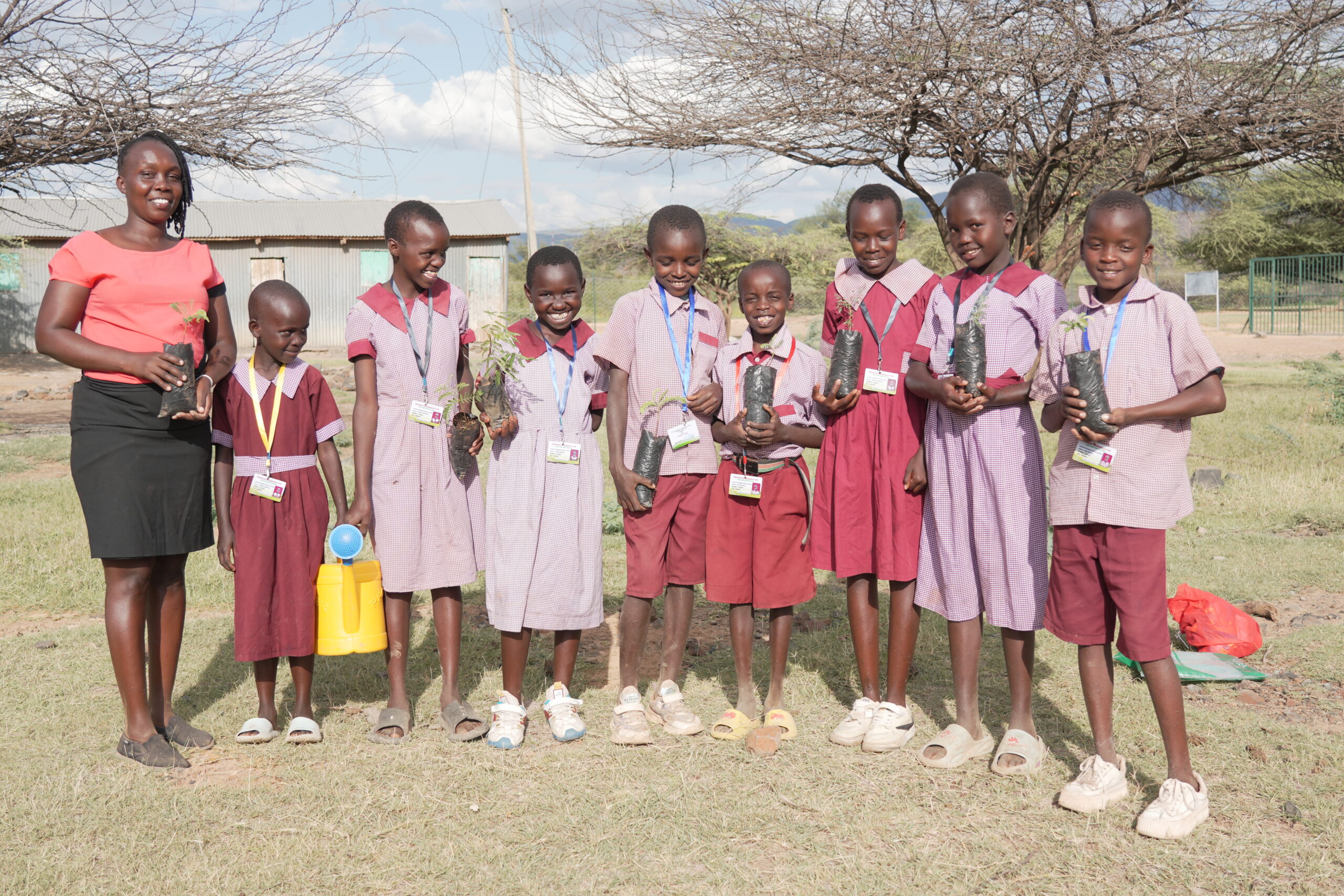
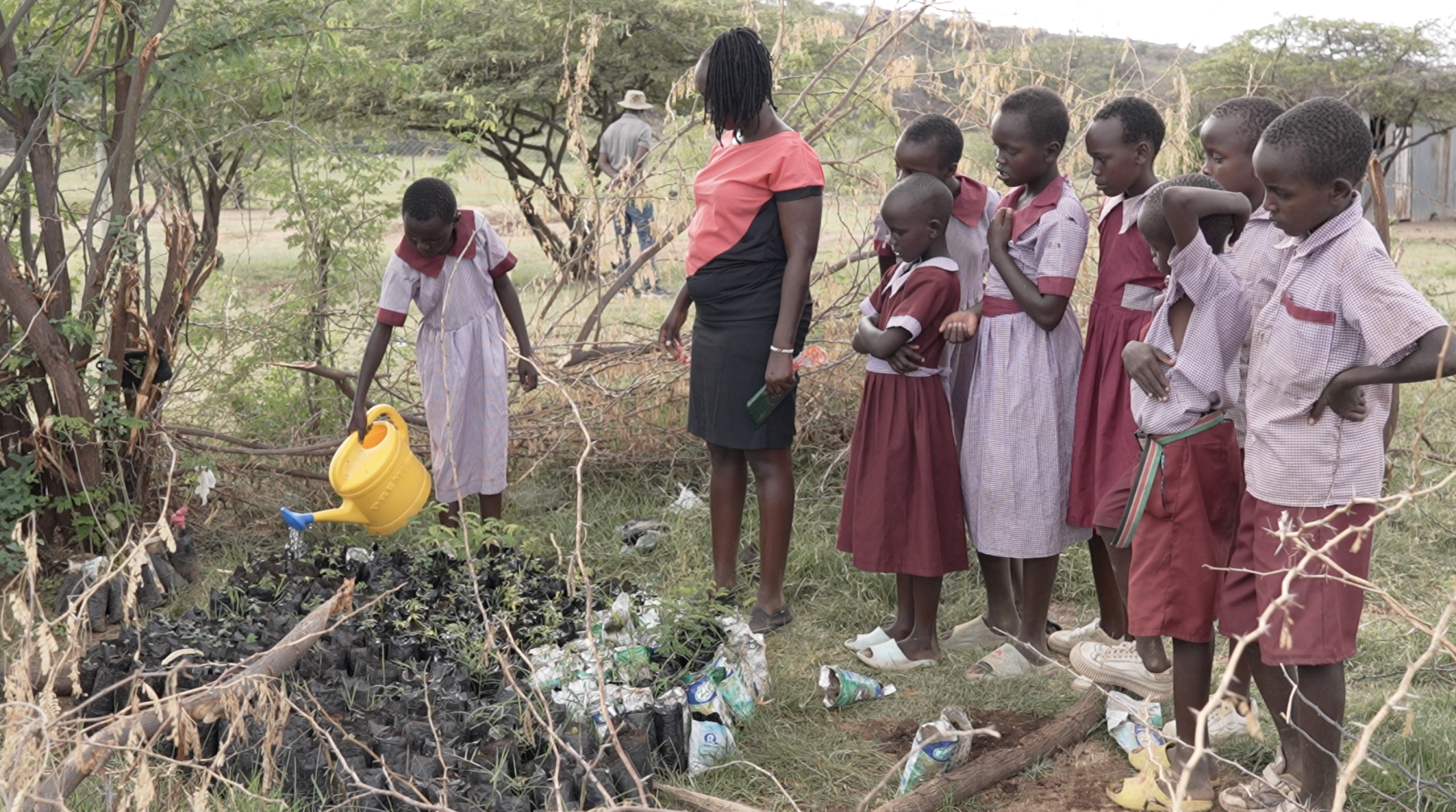
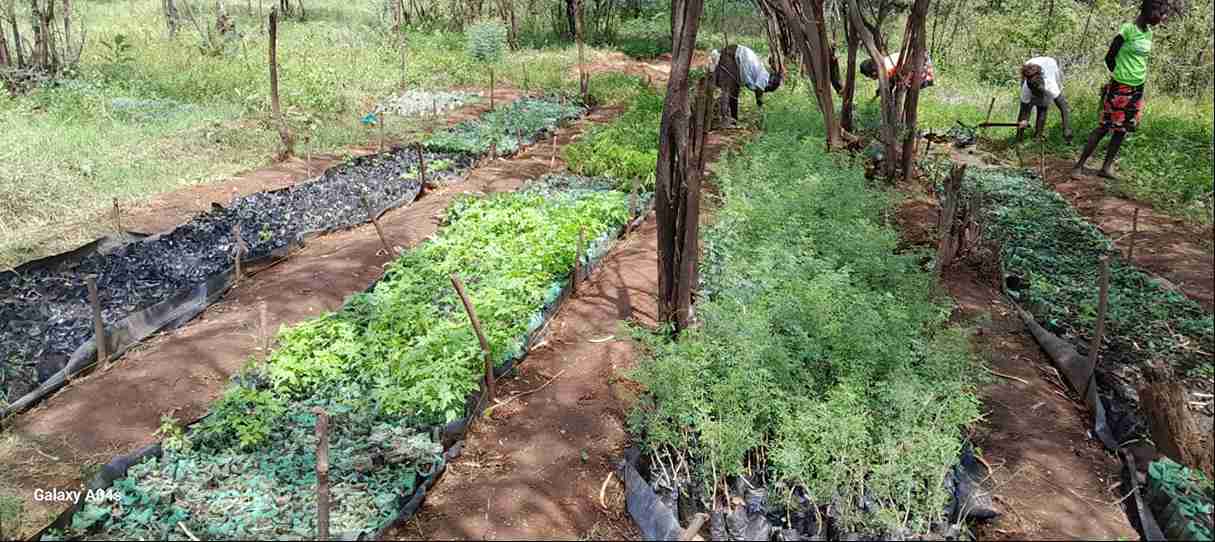
Take Kiborgoch Conservancy in Baringo. In 2024, the community launched a tree nursery not just to green the land, but to grow a business. With a projected capacity of 30,000 seedlings, the nursery is already producing native trees for replanting around springs, in wildlife corridors, and for sale to county governments and NGOs. Early estimates place the value of seedlings at nearly USD 6,000—a revenue stream with deep roots.
But that’s just one piece of the puzzle.
Across Baringo, Isiolo, and West Kilimanjaro, forage production trials are turning dry plots into economic engines. In Mawasiliano, a single acre yielded 35 hay bales, which, depending on the season, fetch between USD 40 to 110 per acre. Prices spike in dry seasons, turning stored hay into a drought buffer and an income booster.
In Salabani, seed harvests from 0.5 ha of experimental plots totaled KES 110,000 (USD 850). These seeds are now feeding new trials, and women-led businesses.
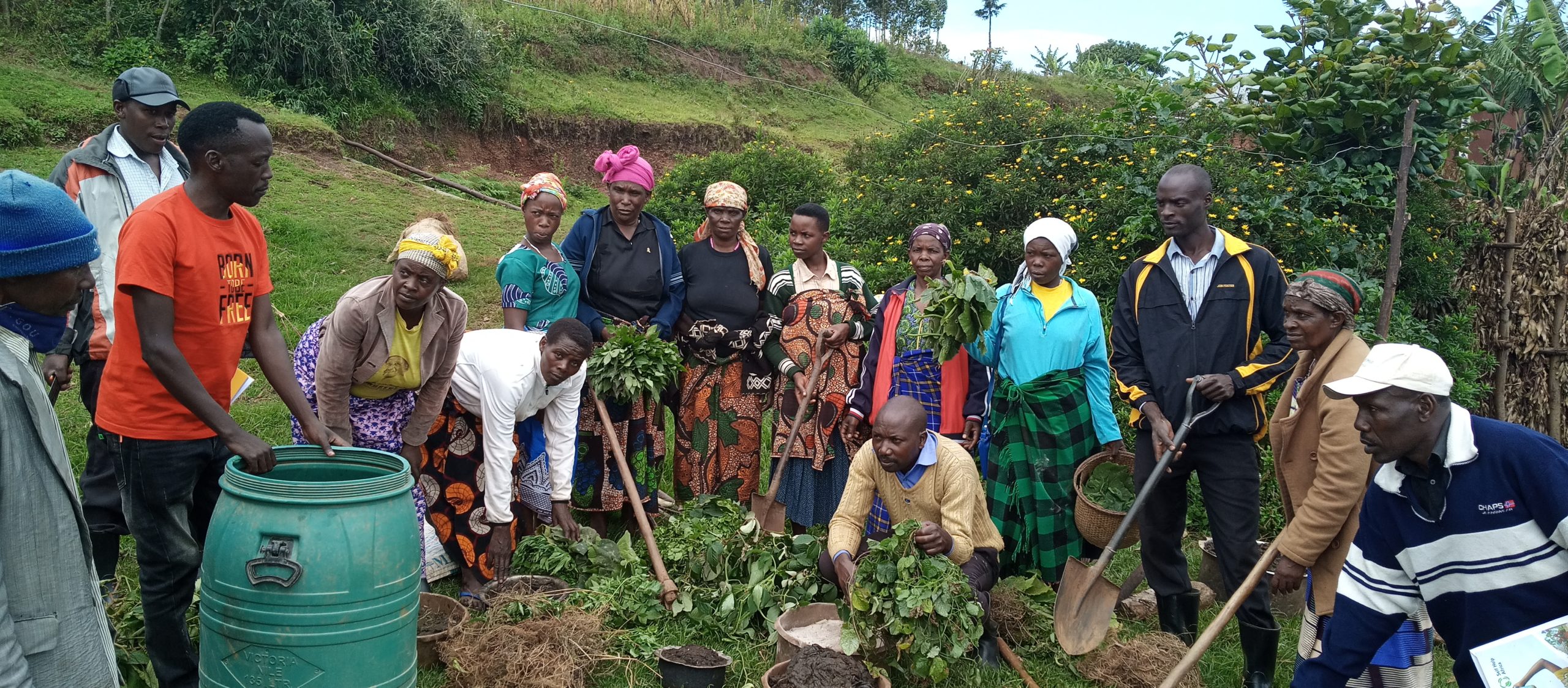
Even better, most of these gains come without salaried labor. Community members contribute their time willingly, investing sweat equity into a vision that benefits all.
With business plans under development, especially for nurseries, Native PEP is setting up a model where conservation and commerce no longer compete but collaborate.
Because when restoration becomes viable not just ecologically but economically, it’s not a project anymore. It’s a movement with momentum.
By Simon Njoroge