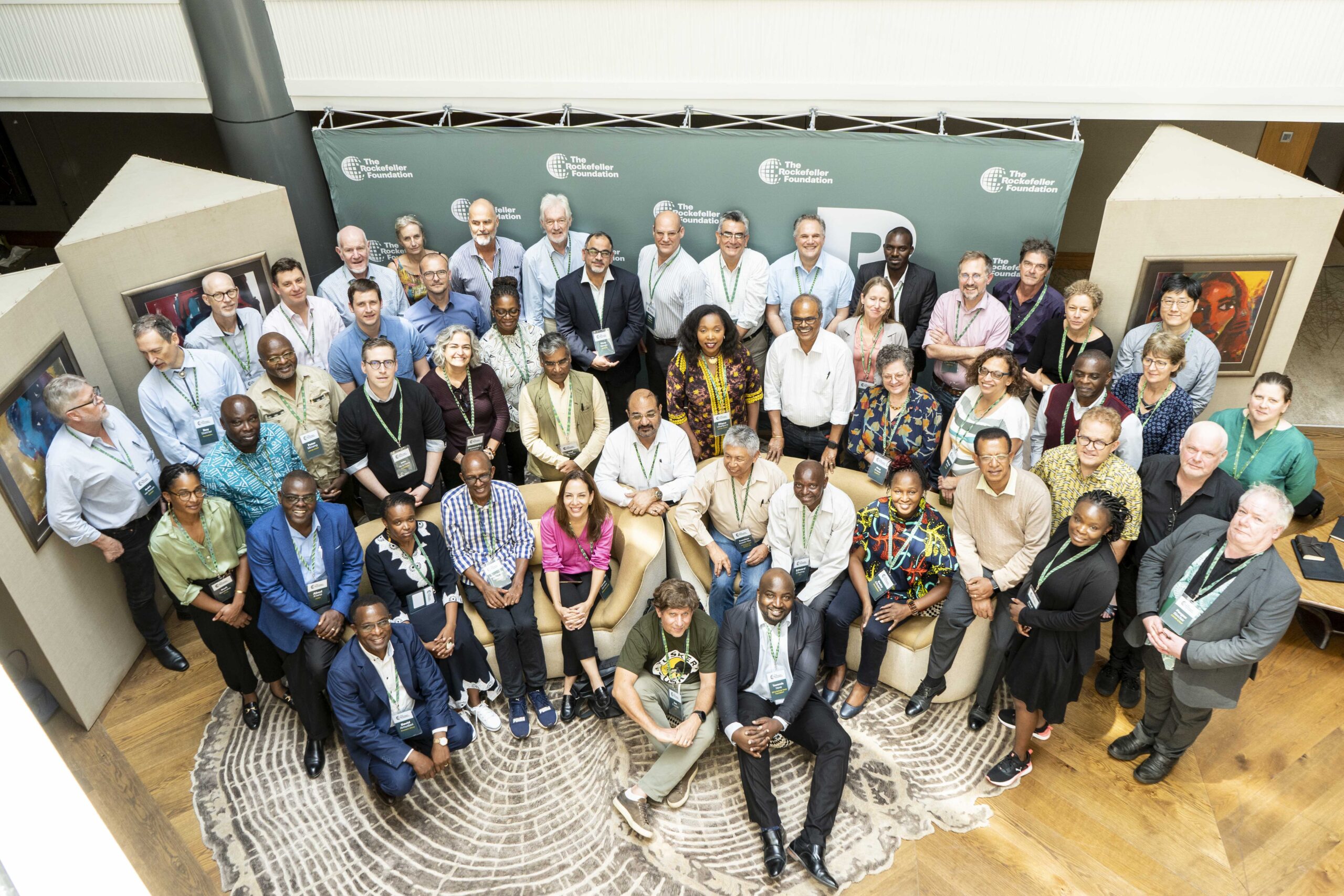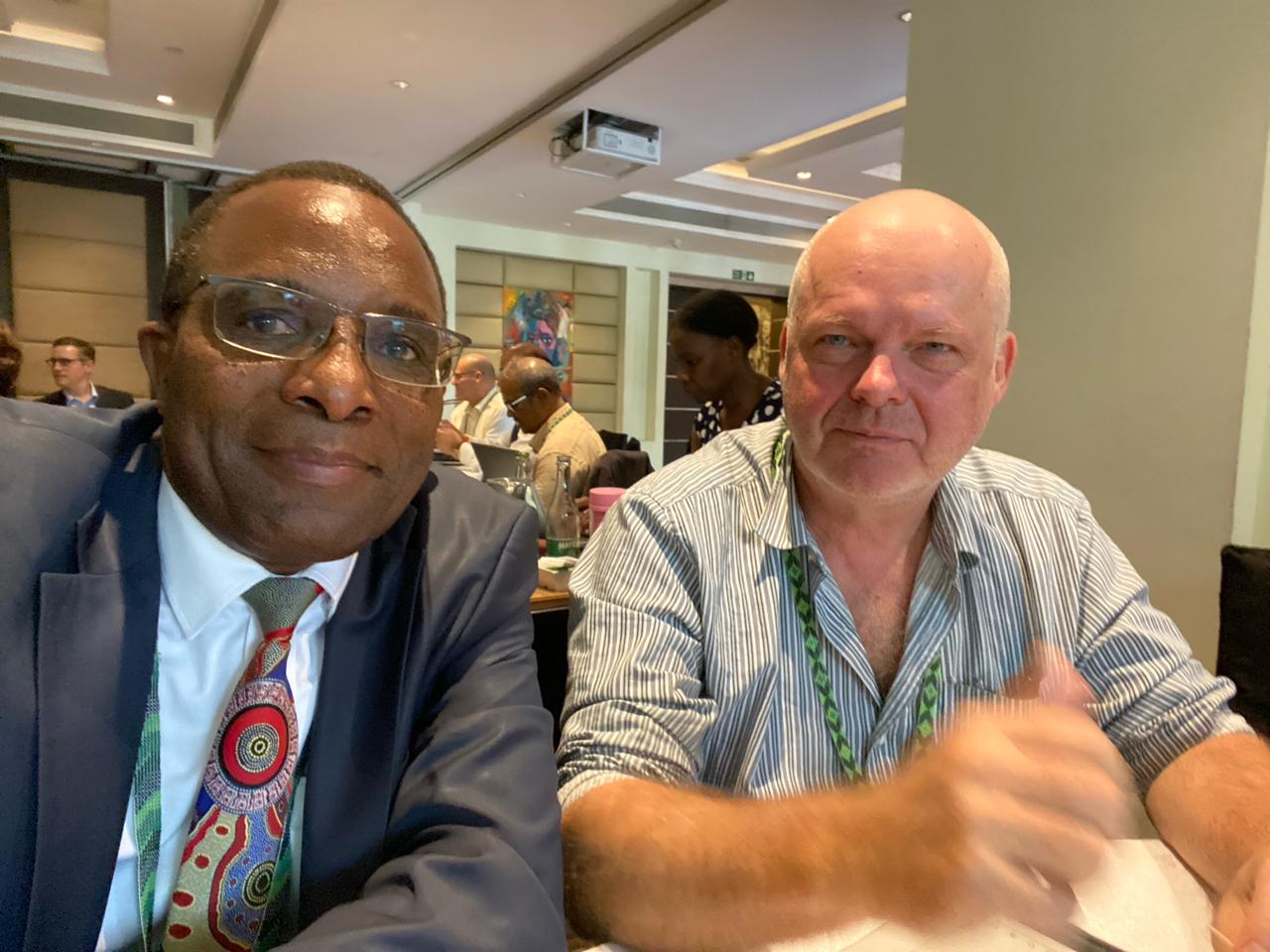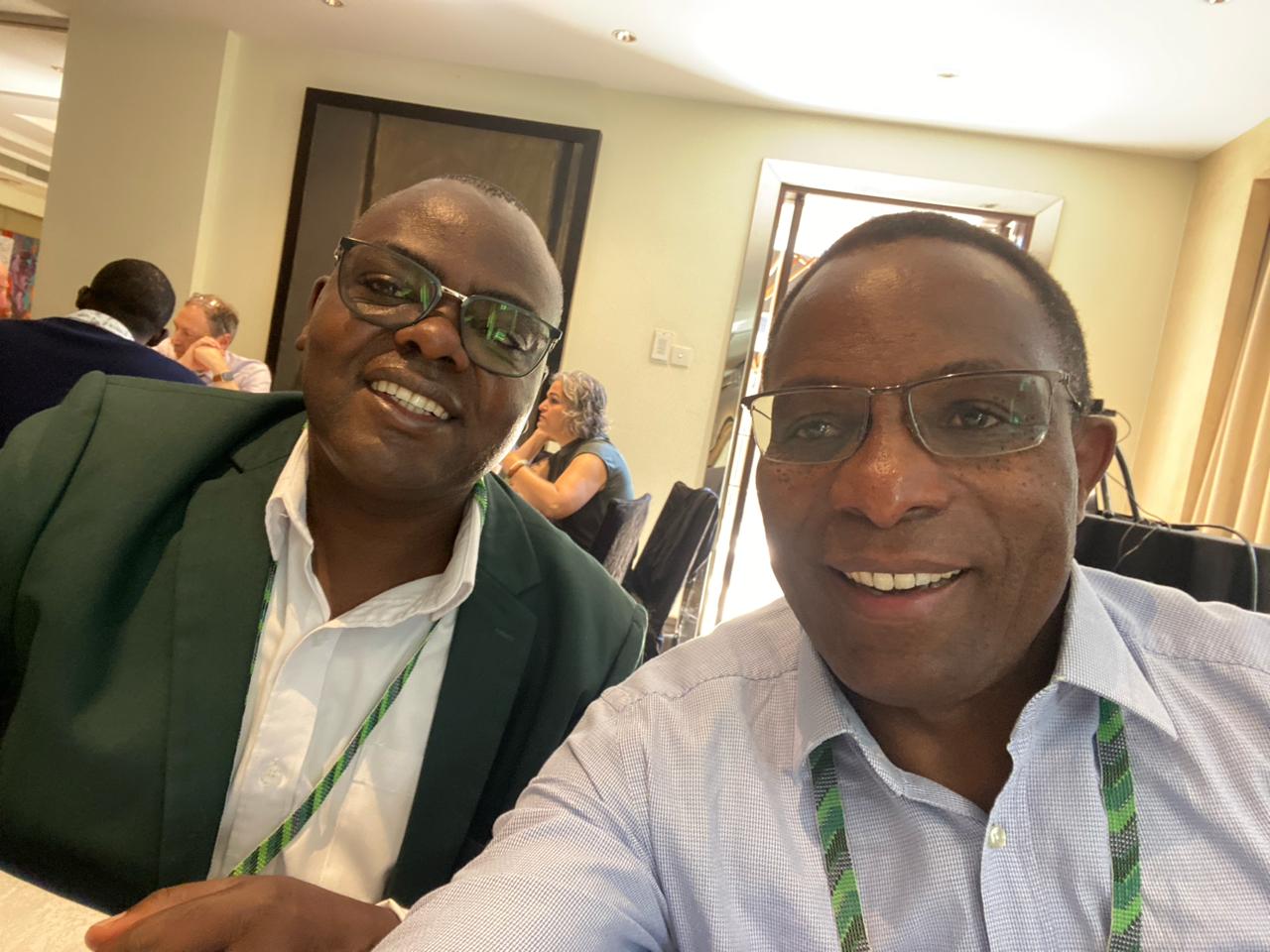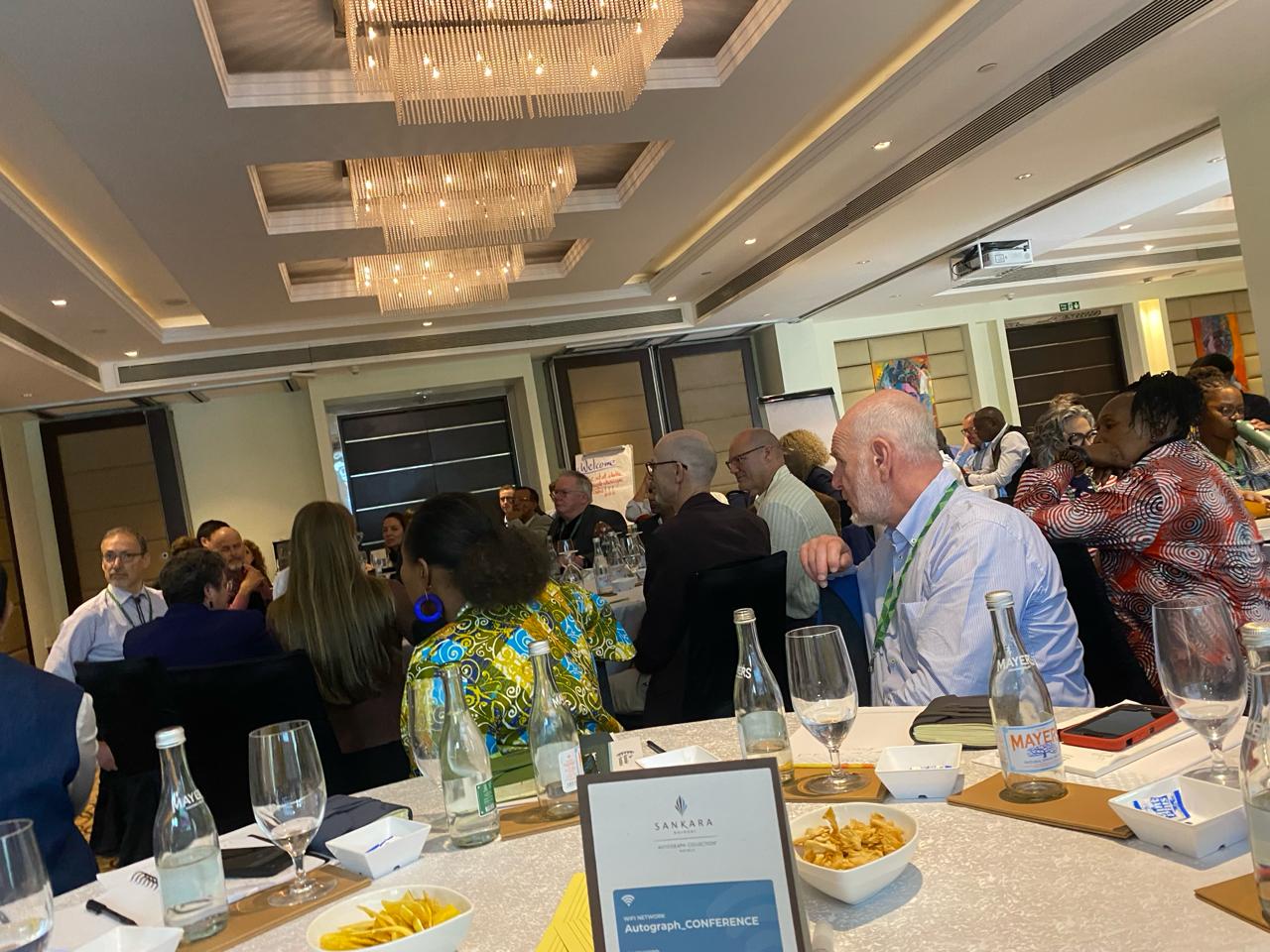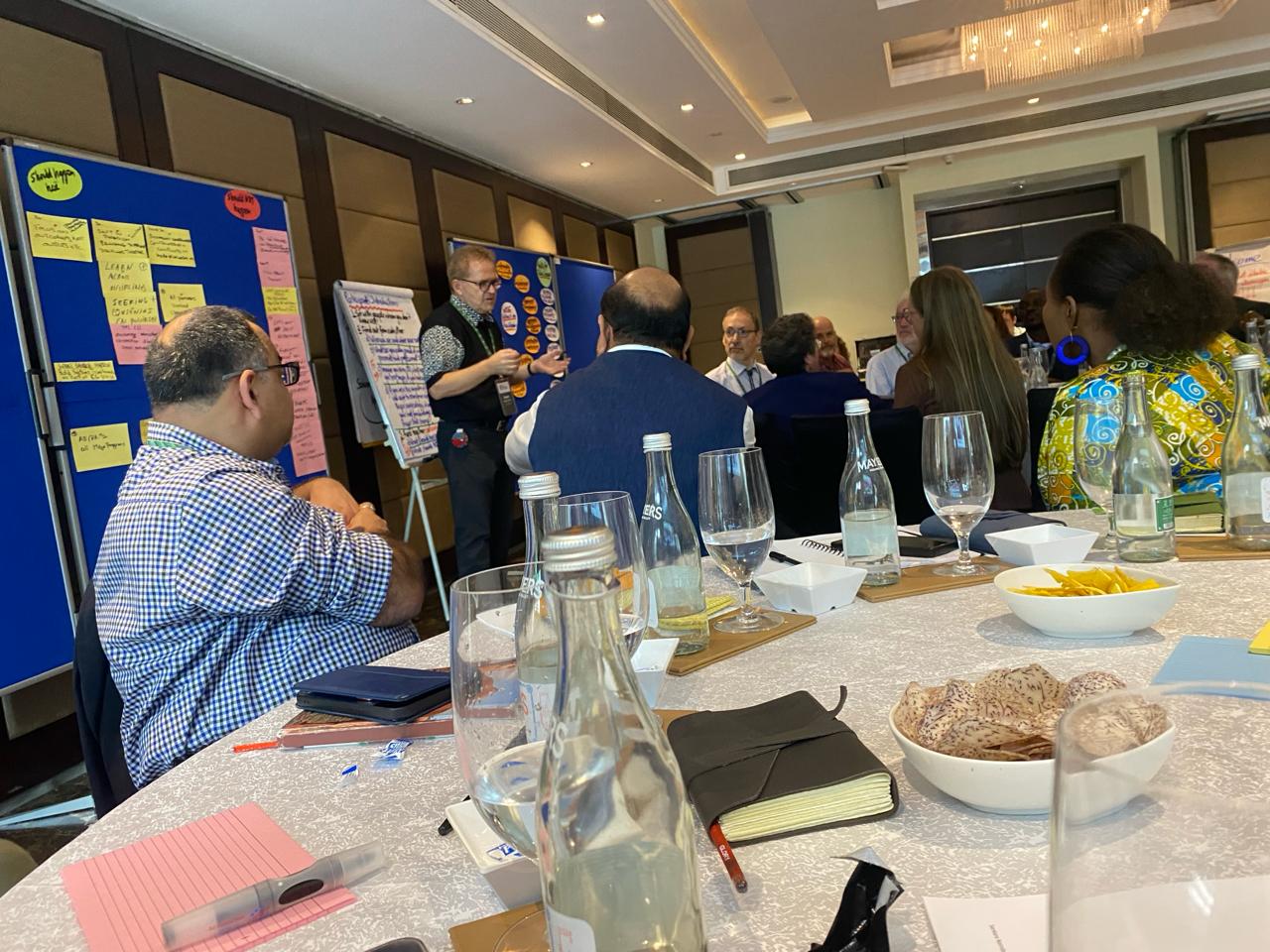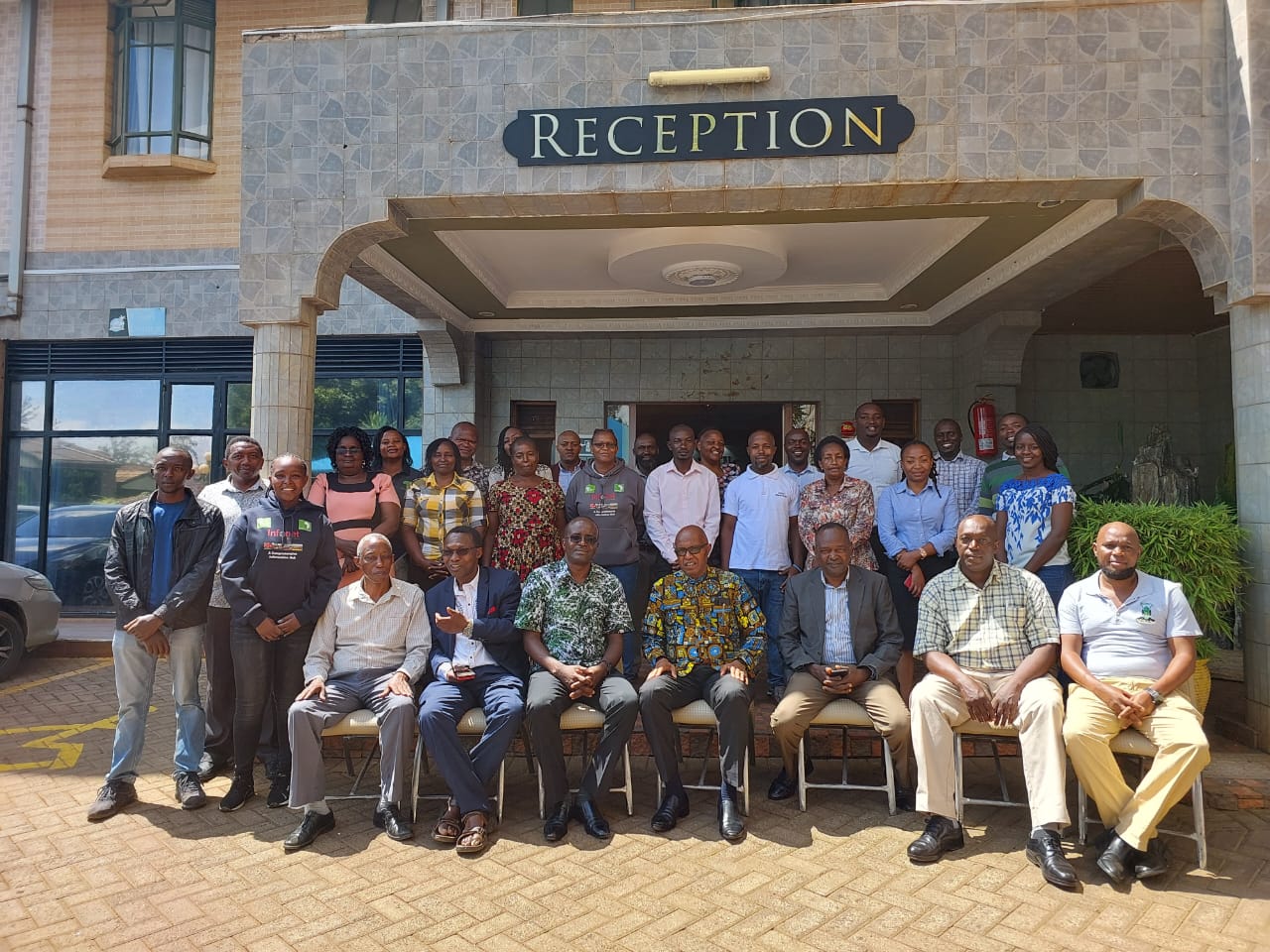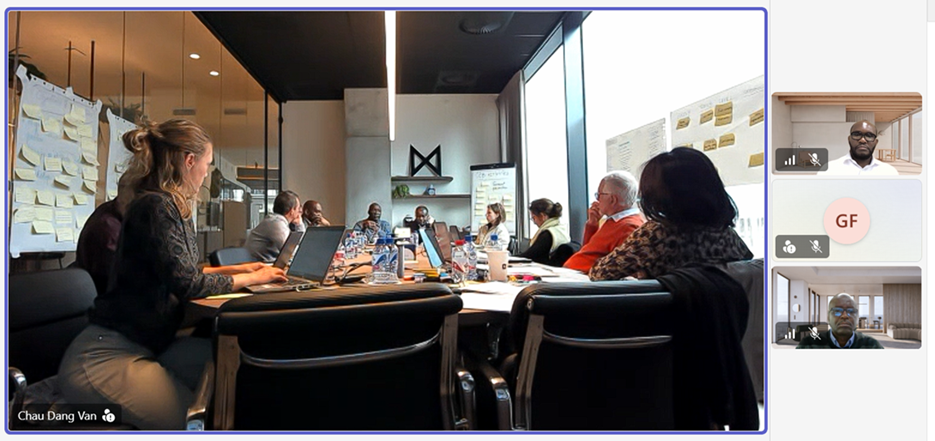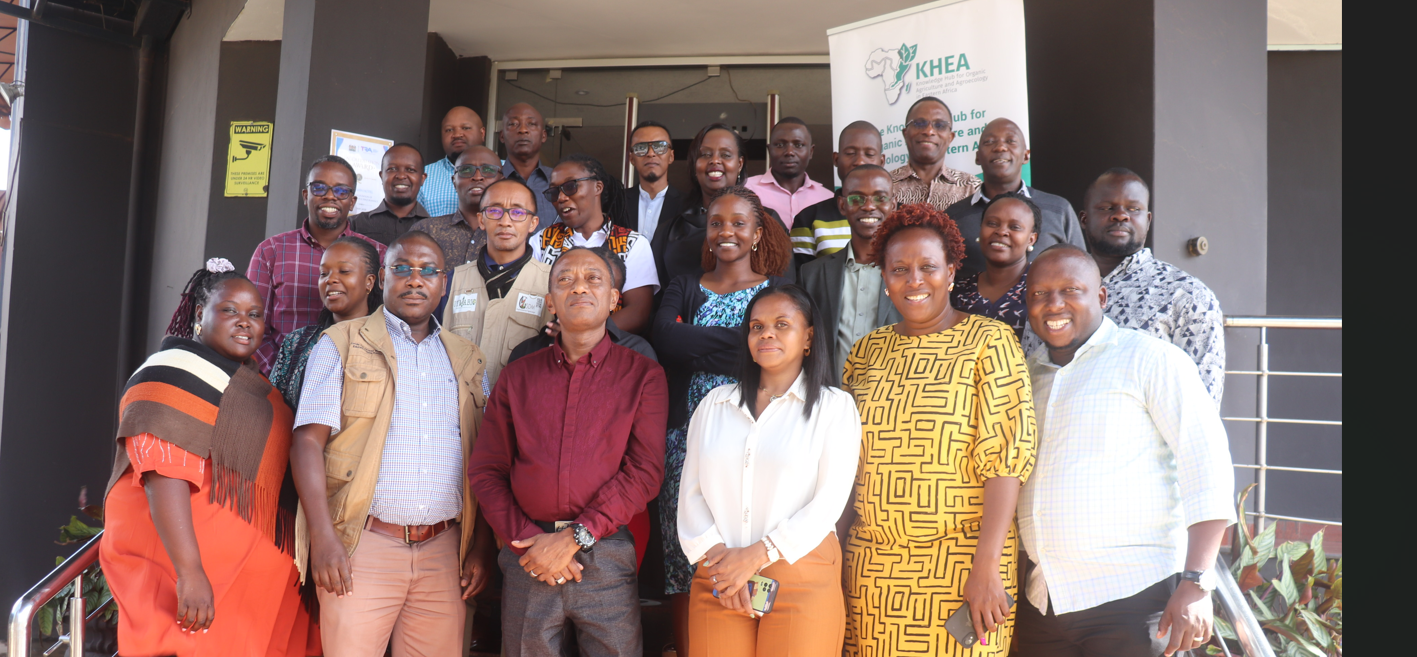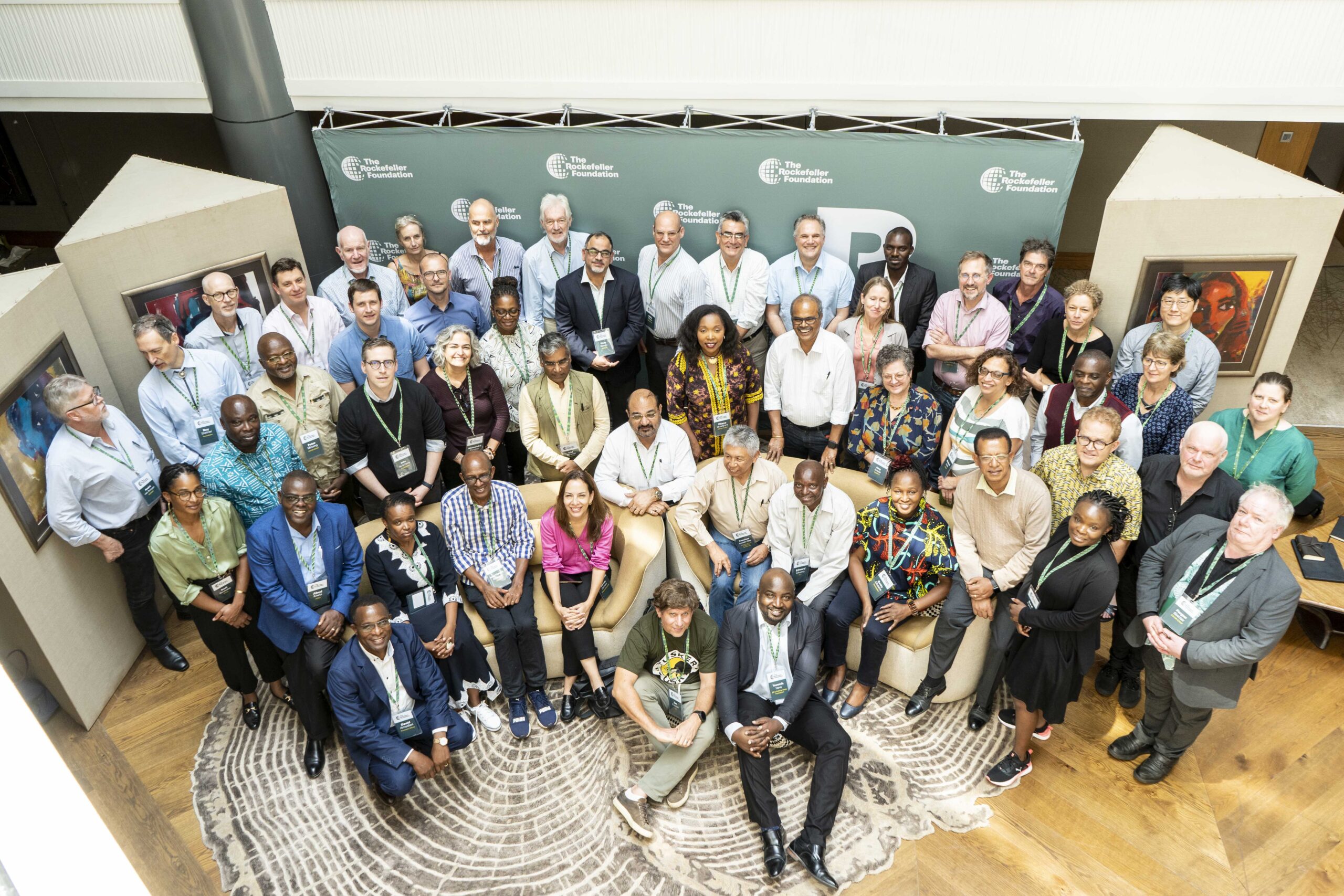
On April 9th – 11th 2024, Dr. David Amudavi, Executive Director, of Biovision Africa Trust, was among over 50 participants from around the world who participated in a pivotal workshop hosted by The Rockefeller Foundation in Sankara hotel in Nairobi. The workshop aimed at deriving a research agenda for integrating regenerative agriculture/agroecology within the Consultative Group on International Agricultural Research (CGIAR) work.
The CGIAR focuses on critical areas to address global challenges related to agriculture, food security, and environmental sustainability. This is part of The Rockefeller Foundation’s commitment to revolutionizing the global food system. It hopes to contribute to food systems transformation pathway to achieve an inclusive, healthy-enhancing and environmentally sustainable food system. Currently many philanthropic and investment partners seem to be coalescing around a shared vision, establishing fund mechanisms for landscape and supply chain transitions, and advocating for repurposing subsidies to support regenerative transitions.
The workshop addressed two objectives: 1. To develop a prioritized research agenda within CGIAR for agroecology and regenerative agriculture, identifying areas for impactful investments, 2. and to identify an inventory of CGIAR’s existing data sets to unearth quick, actionable insights and establish a foundational knowledge base that can be built upon, made AI-ready, and aggregated to help answer the prioritized questions set forth in the research agenda.
The three-day intensive meeting generated deep insights around transition pathways to Regenerative agriculture/Agroecology (realistic scenarios, drivers, incentives for different actors, support systems needed, etc.), challenges in transition to Regenerative agriculture/Agroecology, what should be done differently, data available within the CGIAR and other sources, big knowledge gaps, big research topics/questions, research methods to deliver the knowledge/information needed, among others. The CGIAR thematic action groups shared their proposed actions of how to integrate the insights of the workshop into their future work. It is expected that a roadmap will soon be developed in how the CGIAR, and other partners can integrate Regenerative agriculture/agroecology into their interventions.
The Rockefeller Foundation’s mission on this issue is motivated by the conviction that transitioning agriculture from a net emitter of greenhouse gases to agroecological and regenerative practices is not only viable but imperative. Regenerative agriculture and agroecology have the potential to counteract the detrimental impacts of conventional farming, which currently contribute to 80% of biodiversity loss and 70% of freshwater use. Furthermore, they hold promise in empowering farmers and landscape stewards, offering solutions to the food and economic insecurities prevalent in contemporary agricultural systems.
The Foundation underscores the importance of concrete metrics and abundant data landscape to inform decisions and take appropriate actions ranging from individual farm management to national policy formulation. However, effective application of regenerative practices across diverse agricultural landscapes necessitates robust evidence base and sophisticated sensemaking capabilities.
It is compelling that investment in agroecological and regenerative research potentiate to guide sustainable land management, foster adoption of eco-friendly practices, facilitate value creation through market linkages and ecosystem service payments, and mobilize investments from multiple sectors. This is inspirational to most funding agencies. Moreover, a solid evidence base is imperative for standardizing definitions, measurements, and principles in regenerative agriculture/agroecology.
In this vein, The Rockefeller Foundation is facilitating a dialogue within the CGIAR system, engaging stakeholders, and scientists to contribute their insights towards shaping the future trajectory of global sustainable
Prepared by Mercy Linda & Emmanuel Kimulu